At 7:10 a.m. in Ann Arbor, with Michigan road salt still on the pavement, a used 2018 tesla model x looks like a technology bargain. It also looks like a system with several expensive failure modes. The right question is not whether the SUV can accelerate quickly or park itself. It is whether the battery, suspension, doors, cameras, software, and insurance policy still make sense at its current price.
I approach this vehicle the same way I approach an autonomy stack: define the expected behavior, collect evidence, and record the corner cases. A clean touchscreen demo is not a test plan. Before buying, you need a service history, a battery assessment, an insurance quote, and a realistic view of what Autopilot can and cannot do.
What you are actually buying
The 2018 tesla model x is a large electric SUV with seating for up to seven, dual-motor all-wheel drive on many configurations, and a high center-mounted display. Depending on trim, it can feel startlingly quick. The Long Range and Performance versions have different acceleration and equipment, so do not compare listings by model year alone. Confirm the exact battery, wheel size, seating layout, and options through the vehicle identification number.
The falcon-wing rear doors are the feature everyone notices first. They can open in tight spaces because their hinges and sensors manage the door path, but that complexity adds more components than a conventional sliding or hinged door. Open and close each door repeatedly during inspection. Listen for grinding, uneven movement, warnings, or hesitation. Check the seals for water intrusion and inspect the roof area for signs of repair.
A used listing priced around $25,000 to $40,000 can appear inexpensive beside a newer electric SUV. That price does not include registration, tires, charging equipment, repairs, or insurance. A buyer who spends the entire budget on the vehicle and keeps nothing for a repair is not buying a bargain; they are moving the risk to next month.
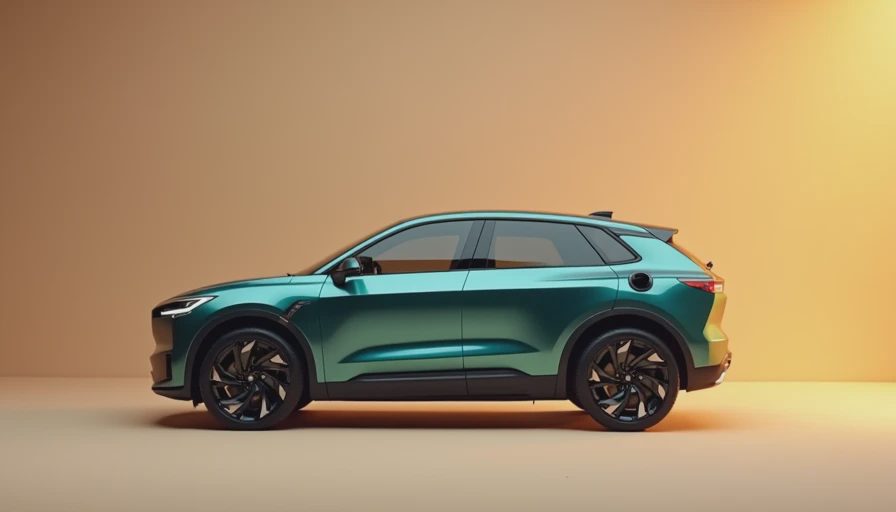
Battery, charging, and mechanical checks
Battery condition is the first technical checkpoint. Ask the seller to show the displayed range at a high state of charge, then compare it with the original EPA estimate for that configuration. This is not a laboratory measurement because temperature, wheels, software, and driving history affect the number. It is still useful evidence. A large unexplained drop deserves a documented diagnosis rather than a reassuring sentence.
Test charging on both a home connector and a public fast charger if possible. Confirm that the charge port opens correctly, the connector locks, and the car does not interrupt charging with an error. On a road test, watch for battery heating behavior, unusual power reduction, or warnings under acceleration. A qualified Tesla technician can perform deeper battery and high-voltage checks.
The suspension deserves equal attention. Drive over a few controlled bumps at low speed and listen for clunks. Inspect tires for inner-edge wear, which can indicate alignment or suspension problems. Check the brakes even though regenerative braking reduces friction-brake use. Calipers can corrode when they sit unused, especially in a winter climate.
The service history should include tire replacements, alignments, control-arm work, door repairs, windshield replacement, and any high-voltage repairs. A clean vehicle history report is helpful, not conclusive. Collision repairs can affect cameras, radar-era hardware, wiring, and door geometry without producing an obvious exterior defect.
Autopilot is a feature set, not a driver
The 2018 tesla model x may have hardware and software associated with Autopilot or Full Self-Driving capability, but the name on the screen does not turn the vehicle into an autonomous chauffeur. The driver remains responsible for supervision, lane changes, road conditions, and intervention. Capability also depends on the installed hardware, software version, subscription or purchase history, and regional availability.
My test harness treats assistance as a prediction problem. Here is what happened: the system maintained a lane on a marked suburban road. Here is what it should have done: reduce confidence when the lane marking disappeared near a construction taper. Here is the gap: visual ambiguity can arrive before the driver expects a handoff. Severity rating: 4 out of 5 when traffic is moving quickly, even if the screen shows a calm visualization.
Run your own controlled evaluation on familiar roads. Test clear lane markings, faded markings, a stopped vehicle near a curve, a merge, and glare near sunrise. Do not create a dangerous scenario to test a feature. Record where the system asks for attention, how much warning it provides, and whether its trajectory makes sense. Treat every assistance function as supervised support, not permission to use a phone.
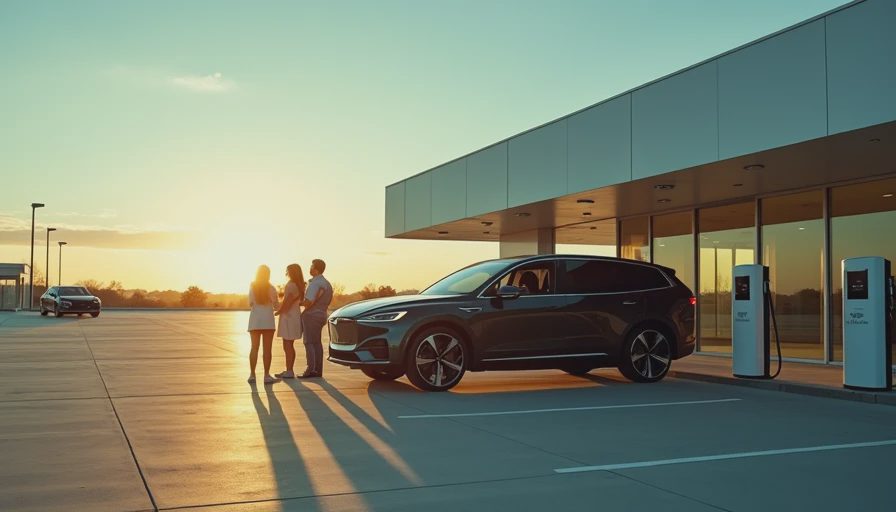
Insurance and ownership cost
Insurance for a 2018 tesla model x can be higher than expected because repairable damage may involve cameras, aluminum body panels, glass, sensors, battery components, or specialized labor. Rates depend on location, driving history, limits, deductible, mileage, and insurer underwriting. Get quotes before leaving a deposit. A monthly premium difference of $50 equals $600 per year, and a policy with a lower price can still provide less useful coverage.
For a financed vehicle, lenders generally require comprehensive and collision coverage. Collision helps pay for damage from a crash, while comprehensive generally covers non-collision events such as theft, hail, falling objects, or animal impact. Liability coverage pays for injuries or property damage you cause to others, subject to the policy limits. A $1,000 deductible can reduce premium, but only choose it if you can access that cash after a loss.
Compare quotes from several carriers, including large national insurers such as GEICO, Progressive, and State Farm, along with regional companies. Ask whether original-equipment parts, glass, battery damage, diminished value, rental reimbursement, and roadside assistance are handled differently. Some policies offer an electric-vehicle endorsement; others treat charging equipment separately from the vehicle.
A practical purchase procedure
Start with the VIN and a written out-the-door price. Then request maintenance records, an independent inspection, and a current insurance quote. During the inspection, verify the title, test every door and window, inspect the underbody, check the cabin electronics, and confirm both key cards or other access methods work.
Drive the vehicle cold and warm. Note steering vibration, suspension noise, brake pulsation, warning messages, charging behavior, and tire condition. Photograph the odometer, dashboard alerts, paint defects, wheels, seals, and charge-port area. If a seller refuses an independent inspection or cannot explain a warning, record that as a failed checkpoint rather than a minor inconvenience.
Ask Tesla or a qualified repair facility what diagnostics cost before you need them. Also price a set of tires, a windshield, and a tow. These are ordinary ownership items that can expose the difference between a manageable EV and a budget-damaging one.
Final scorecard
The 2018 tesla model x can still be compelling when the battery evidence is solid, the doors operate cleanly, the suspension is quiet, and the insurance quote fits the budget. It becomes a poor purchase when the low price depends on ignoring warnings, unknown collision work, worn tires, or an optimistic assumption about Autopilot.
My scorecard is simple: document the battery, inspect the mechanical hardware, verify the software and driver-assistance limits, and price the insurance before signing. Buy the condition and records, not the badge or the acceleration number. Your car talks. I check his homework.