Ann Arbor, 7:12 a.m. On a damp two-lane road, the crossover I was testing gave a small steering nudge when I let the wheel wander half a lane width. That is the basic promise behind cars with lane assist: a little help when a driver drifts, gets tired, or hits a stretch of highway that starts pulling the car off center. If you are shopping for a daily driver, the feature matters. It is not magic, and it is not just brochure filler either.
The first thing to know is that the label covers two different behaviors. Lane departure warning usually beeps, flashes, or vibrates when the car crosses a lane line without a signal. Lane keeping assist goes farther and adds a light steering correction. On clean interstate pavement, I rate the experience a 2 out of 5 for drama because it mostly disappears into the background. In construction zones, snow, or faded paint, it can jump to a 4 out of 5 fast because the system starts second-guessing itself.
How the system behaves on real roads
The good systems feel boring in the best way. They keep the car near center without yanking the wheel, and they hand control back quickly when the lane markings get ugly. The bad ones ping-pong, nag, or shut off too early. That difference matters more than the badge on the grille. A Toyota, Honda, Subaru, or Hyundai can all have decent lane support, but the tuning is not the same, and the calibration changes by trim year and software version.
The feature also has limits that shoppers should test before they sign. Many systems need visible lane paint, a clean windshield camera view, and a minimum speed before they stay active. Sharp curves, worn striping, and wet blacktop can make the car hesitate. If you have ever driven on patched Midwestern pavement after a freeze-thaw week, you already know the kind of surface that exposes weak software. The point is not to demand perfection. The point is to know what happens when the road gets messy.
Which trims are worth cross-shopping
If you want a practical list, start with the trims that usually bundle the safety tech without pushing the price into luxury territory. Honda Sensing shows up on many Civic, CR-V, and Accord trims. Toyota Safety Sense is common on Corolla, Camry, and RAV4 models. Subaru EyeSight is widely available on Outback, Forester, and Legacy models. Ford Co-Pilot360, Hyundai SmartSense, and Chevrolet Safety Assist cover a similar spread across Escape, Tucson, Equinox, and Malibu. The names differ, but the goal is the same: lane support, braking help, and a better chance of staying out of trouble.
That is where used-car shopping gets interesting. A 2021 Corolla LE with the right package often sits in the high teens to low 20s. A 2021 Civic with the safety suite can land in a similar band, while a 2022 CR-V or Outback usually costs more because the vehicle itself is pricier and the trim steps climb faster. I would rather buy a slightly older car with the safety package than a newer base model without it. On a quote sheet, that choice often matters more than the infotainment screen.
What the insurance quote sees
Insurance does not usually slash your premium just because a car has lane assist. The bigger math is still vehicle value, repair cost, theft risk, crash history, and how expensive the parts are when something breaks. A car with more active safety gear can be a smarter buy, but it is not a free discount button. If the feature comes bundled with a higher trim, the premium can even go up because the car is worth more and the parts cost more to replace.
The repair side is where people get surprised. A windshield replacement on a vehicle with a camera-based system can need recalibration, and that can add roughly $150 to $400 on top of the glass bill. Some dealer calibrations cost more. If you are comparing quotes, ask about the exact trim and the exact equipment list, not just the model name. A Civic LX and a Civic EX are not the same insurance story.
This is also where cars with lane assist can help in a quieter way. They are often paired with automatic emergency braking and other active safety features that can reduce low-speed bumps and lane-drift scrapes. No one should buy a car expecting a miracle on the premium line, but the equipment package can still make the long-term ownership math better.
The edge cases that break a clean demo
The demo drive usually happens on a perfect road with clean paint and no traffic. Real life is uglier. Construction barrels can confuse the camera. Snow can hide the lane line. A sharp merge can make the car tug toward an old stripe that should have been ignored. On older pavement, the system may follow the wrong edge for a second before it settles down. That is normal enough to be annoying and serious enough to notice.
My rule is simple: if the car feels calm on clear pavement but weird in bad weather, that is not a deal breaker. It is a clue. A driver who spends most of the week on interstates will care less about a little hesitation than someone who lives on narrow roads, in heavy rain, or in places with winter slush for four months a year. You want the system to be predictable, not dramatic.
A quick used-car inspection routine
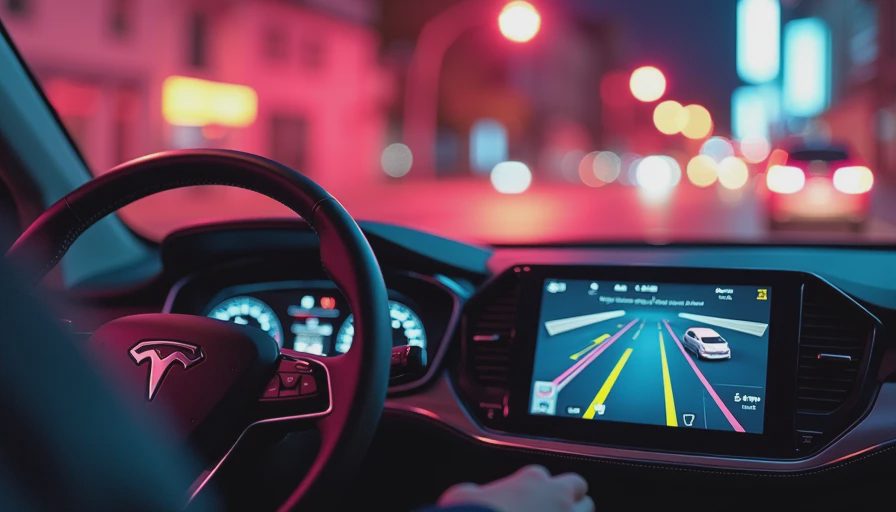
Before you buy, test the system on a road with real lane markings and mild traffic. Keep your hands on the wheel, because these systems are driver aids, not replacements. Turn the feature on, then let the car show you what it does when you drift a few inches left or right. Listen for the warning tone, feel for the steering correction, and check whether it shuts off cleanly when you signal a lane change. If the car rattles, hunts, or gives up too early, note it.
Then look at the windshield and front camera area. A cracked windshield, a sloppy aftermarket tint strip, or evidence of body work can change how the system performs. Ask whether the car has had a windshield replacement, and whether any calibration was done afterward. If you are buying from a dealer, get the trim code and compare the equipment list against the window sticker or VIN details. That takes five minutes and can save you from paying for a package you thought you were getting.
Final take before you request quotes
If you are narrowing down cars with lane assist, do not start with the badge. Start with the trim, the repair cost, and the roads you actually drive. A solid Civic, Corolla, CR-V, Forester, or Outback with the right safety package can make everyday commuting less tiring and can keep the quote conversation honest. Tell the agent the exact year, trim, and feature set, then compare apples to apples. Your car talks. I check his homework.