If you are shopping for cheap self driving cars, start with a boring truth: the cheapest version is usually a used car with strong driver assistance, not a robotaxi. The market is full of listings that blur the line between lane centering, adaptive cruise, and true autonomous driving. For a buyer, that matters because the sticker price is only part of the bill. Insurance, tires, charging, software subscriptions, and repairability can change the math fast.
What the phrase really buys you
Most of the time, the phrase points to Level 2 systems: the car can steer, brake, and accelerate in a limited way, but the driver still has to supervise it. That includes systems like Tesla Autopilot, GM Super Cruise, Ford BlueCruise, Hyundai Highway Driving Assist, and Nissan ProPILOT Assist. They are useful, and on a long freeway run they can make a 90-minute drive feel much shorter, but they are not a green light to stop paying attention.
If a listing sounds magical, read the trim sheet. Some cars only get the feature on one package, one wheel size, or one option bundle. Others lock the best functions behind a subscription after the trial ends. The practical question is simple: does the system work on the roads you actually drive, in the weather you actually see, without turning every trip into a software demo?
That is why cheap self driving cars are more of a shopping category than a technical category. The cheap part usually comes from buying used, accepting a smaller battery, or choosing a system that handles highway driving well but does not try to do everything. For a commuter, that can still be a very smart move.
Why cheap self driving cars are usually used, not new
The new-car aisle looks impressive, but most of the real bargains live in the used market. A Nissan Leaf or Chevy Bolt EV often lands in the low-to-mid teens on the used lot, and both can be inexpensive to insure compared with a luxury EV. They do not have the flashiest hands-free features, but they cover the daily grind without asking for much.
Move up to a used Tesla Model 3, and you usually get stronger software integration, a better charging ecosystem, and a more polished cabin experience than the bargain EVs. The tradeoff is that the purchase price often rises into the low-20s, and insurance can jump with it. A used Hyundai Ioniq 5, Kia EV6, or Ford Mustang Mach-E can also make sense if you want more modern assist tech and are willing to hunt for the right trim.
The mistake I see is paying for a badge when the real need is a commuting tool. If your route is mostly suburban roads with a few highway miles, a well-kept Bolt or Leaf may be the better buy. If you do two hours of freeway driving a day, a used trim with cleaner lane centering and more stable follow behavior may be worth the extra thousand or two.
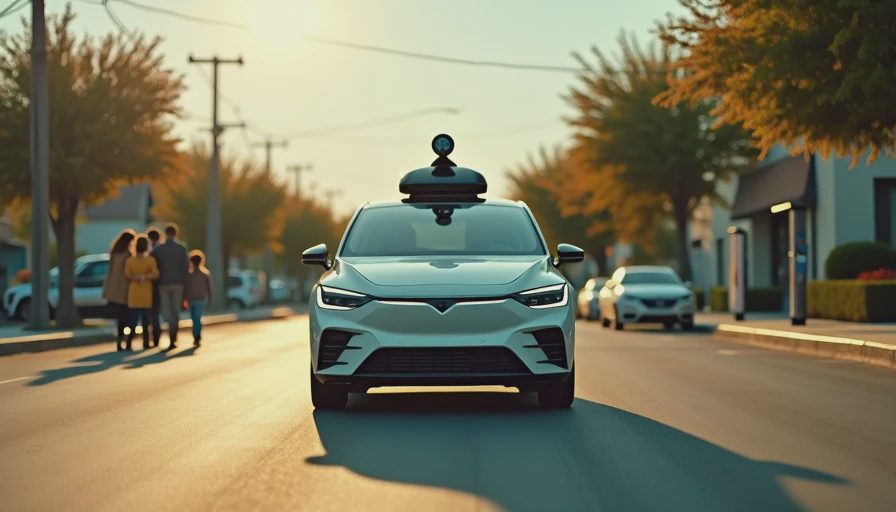
The real cost is insurance, not just the sale price
Sticker price gets all the attention, but total cost is where cheap self driving cars either work or fail. A driver can save $3,000 on the purchase and give a chunk of it back through insurance, tires, and body repair. That is especially true with EVs, which are heavy, wear tires faster, and can have expensive windshield or sensor repairs after a small hit.
For cheap self driving cars, insurance can erase the savings if you shop by sticker alone. Ask for quotes before you buy, not after. Compare liability, collision, and comprehensive with the same deductible on each quote so you are not comparing apples to oranges. A $500 deductible costs more up front than a $1,000 deductible, but the lower deductible can make sense if the car has pricey glass, radar units, or headlights.
You do not need a spreadsheet wizard to do this right. Get three quotes, ask whether the company prices EVs or driver-assist systems differently, and check whether your commute, garage, and annual mileage are already helping or hurting the premium. GEICO and Progressive are often easy to quote online, while State Farm can be strong if you prefer a local agent and want to talk through the details.
A simple checkout routine before you hand over cash
The right test drive is not a lap around the block. Take the car on a road with clear lane markings, then try the assist system at highway speed and again in stop-and-go traffic. If possible, test it in light rain or at dusk, because that is where weak sensors and sloppy lane centering show up fast. Watch for phantom braking, ping-pong steering, and any tendency to give up when the markings fade.
Then check the boring paperwork. Confirm the exact trim and option package, because a lot of features live in one specific bundle and not the whole model line. Make sure any free trial, activation, or subscription stays with the car after ownership changes. Verify open recalls, get the VIN history, and look hard at windshield chips, bumper repairs, and camera mounts.
If the battery warranty is nearly over, the tires are 20-inch low-profile units, or the car needs premium charging hardware to keep the feature you wanted, add that to your math. A deal is only a deal if the second year of ownership does not punch a hole in it.
When paying a little more makes sense
There are cases where the cheaper car is the wrong car. If you drive mostly interstate miles, a system that holds lane position smoothly and stays calm in traffic can be worth the premium. GM Super Cruise and Ford BlueCruise both work well on mapped highways, while Tesla's supervised system is more flexible on road coverage but still demands attention. None of them are magic. They are tools that reduce fatigue when the hardware, software, and road type line up.
The point is not to chase the most advanced label. The point is to buy the car that fits your actual commute, then make sure the premium did not hide in insurance, subscriptions, or repair costs. A cheaper trim with awkward lane keeping can be more annoying and more expensive over three years than a better-equipped model with a higher sticker.
That is the real business model for cheap self driving cars: buy the feature set you will actually use, then compare quotes before you buy. If the numbers still work after insurance, tires, and software, you found a good deal. If they do not, keep looking. Your car talks. I check his homework.