Ann Arbor, 7:14 a.m. — I spent the morning looking at Ford BlueCruise the way I look at any driver-assist stack: not as marketing copy, but as a system that either behaves or gets logged as a mess. If you drive a Ford or Lincoln with this feature, the insurance question is simple on paper and messy in practice. The feature can change how you use the car, but it does not erase liability, repair costs, or the basic rules of coverage.
At a high level, Ford BlueCruise is Ford’s hands-free highway driving feature for approved roads and compatible vehicles. It is not self-driving, and it does not take the legal burden off the person behind the wheel. That matters because owners often assume any advanced driver-assist package should automatically lower their premium. In the real world, insurers care more about the vehicle, the driver profile, the claims history, and the repair bill than the brochure language.
What Ford BlueCruise actually does on the road
The cleanest way to think about the system is as highway assistance with guardrails. On mapped, prequalified roads, it can help with steering, speed, and lane position while the driver keeps their attention on the road. That is the key detail: the feature is designed to reduce workload, not to replace the driver. If the road markings get ugly, traffic gets weird, or conditions change, the system may ask for hands back on the wheel or step out entirely.
That makes it useful in the exact places where many commuters get tired: long interstate stretches, repetitive traffic, and the boring miles between exits. It is less useful in construction zones, broken lane lines, sharp weather shifts, and the kind of edge cases that make autonomy engineers reach for coffee and a log file. On my bug scale, that is not a failure. It is the expected behavior of a hands-free highway feature that still has to play by the rules.
The insurance angle starts there. A feature like this may reduce some driver workload, but it also adds cameras, sensors, software dependencies, and a repair path that can get expensive after a front-end hit or windshield work. The convenience is real. So is the calibration invoice.
Where the system is strict, and why that matters
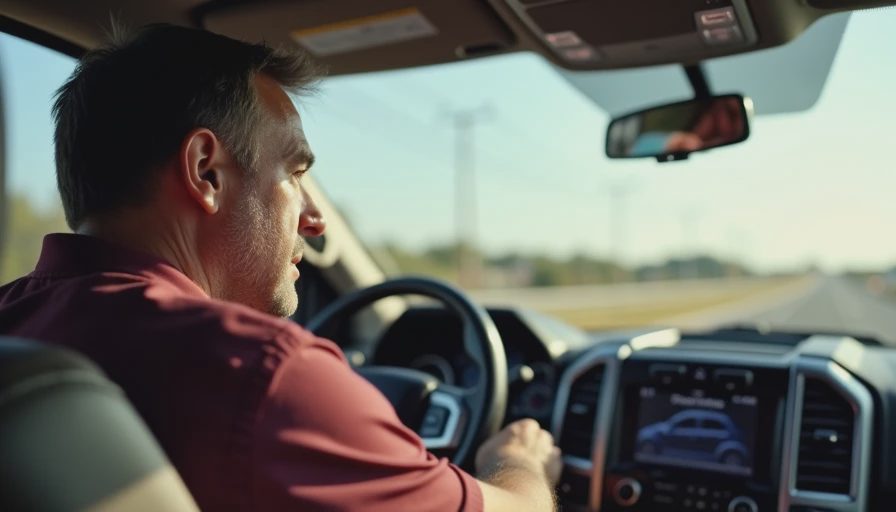
A lot of confusion comes from the word hands-free. Drivers hear that and imagine a wider operating envelope than the system actually has. In practice, the feature is strict about where it works and picky about whether the car believes the scene is suitable. That is a good thing. It means the feature is trying to avoid making up confidence it does not have.
That matters for claims because insurers do not reward wishful thinking. If a driver drifts, rear-ends somebody, or takes a corner too fast, the presence of a driver-assist package is not a shield. Liability still follows fault. Comprehensive still handles non-collision losses like hail or theft. Collision still applies when the car hits something. The feature may be part of the story, but it is not the story.
I also see owners overrate the value of the tech when they price coverage. If the vehicle is a high-trim SUV or pickup with expensive sensors, the premium can stay high even if the driving aid is impressive. That is because the insurance math is built around repair cost and loss frequency. A cracked windshield on a vehicle with a front camera can be more annoying than a normal glass replacement, and the re-calibration can push the bill into the low hundreds before labor gets creative.
What it means for insurance, repairs, and claims
This is where Ford BlueCruise gets interesting for shoppers. The feature itself usually does not create a separate insurance category. Carriers still rate the car as a Ford or Lincoln model with certain safety equipment, not as a special autonomous class. Some insurers may recognize ADAS features in their internal pricing, but no major carrier is handing out a free discount just because a vehicle can drive hands-free on a limited set of highways.
What the feature can change is the type of repair the owner faces after a loss. If a bumper cover, grille, or windshield houses sensors or cameras, the repair shop may need to recalibrate those systems after replacement. That adds time and money. A small parking-lot tap can turn into a body shop visit that runs from a few hundred dollars into much more if sensors, brackets, or modules are involved.
For a driver shopping quotes, the practical move is to ask how the carrier handles ADAS-heavy vehicles. GEICO, Progressive, State Farm, and the other big players all price from the same basic ingredients, but their repair networks, glass processes, and claim handling can feel different once the car needs calibration. That is the part that saves real money or wastes real time.
Cost, subscriptions, and which drivers actually use it
The pricing model is another place where the sales pitch and the ownership experience split. Ford has typically offered the feature with a trial period on supported vehicles, then a subscription or paid access after that. Depending on the model year and trim, the bill usually lands in the low hundreds per year after the trial. That is not cheap, but it is also not luxury-money if you use it on a long commute.
The drivers who get the most value are the ones who rack up highway miles every week. Sales reps, regional managers, long-haul commuters, and anyone who does 60 to 100 miles a day on the interstate can justify the cost faster than a city driver who rarely leaves local roads. If your routes are mostly surface streets, the feature becomes a nice-to-have instead of a reason to buy the package.
The clean test is simple. If the system saves you enough fatigue to keep you calmer and less sloppy on the last 20 minutes of the drive home, it is pulling its weight. If you only touch it twice a month, you are paying for a badge and a promise.
My quick take after looking at the data side of it
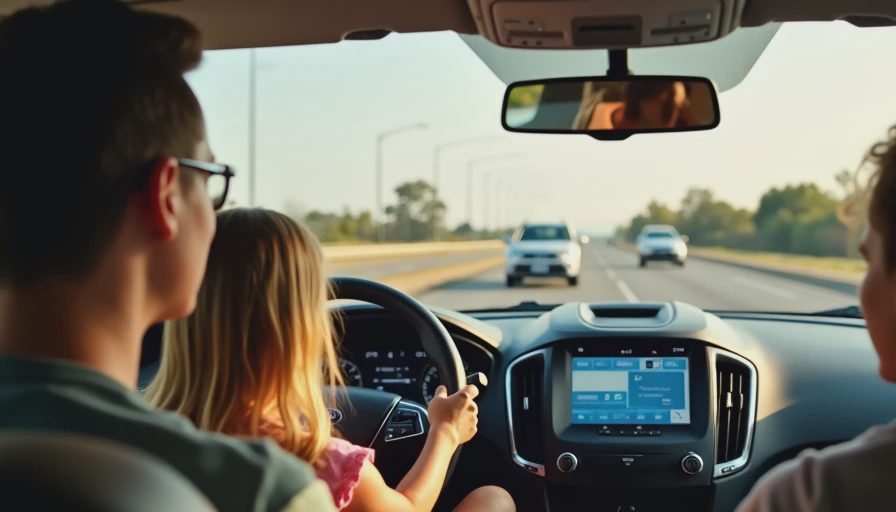
I do not treat Ford BlueCruise like magic, and I would not advise anyone to shop insurance as if it changes the laws of physics. The useful question is narrower: does the feature make the drive easier without creating a bigger repair headache than the owner expected? In a lot of cases, yes, but only if the driver understands the limits and the vehicle is insured correctly.
If you are buying or leasing a compatible Ford, get quotes before you sign, ask about glass and sensor calibration, and compare the price of the feature against the miles you actually drive. If you already own one, review collision and comprehensive limits, because that is where the real pain shows up after a crack, scrape, or front-end repair. Ford BlueCruise can make a highway drive less tiring, but the insurance bill still follows the parts, the labor, and the claim file.
Your car talks. I check his homework.