Ann Arbor, 7:12 a.m. If you want a clean read on zoox vs waymo, start with the boring question: which system is already doing real work, and which one is still proving the shape of the machine? Waymo is the one people can actually hail in a few U.S. cities. Zoox is the cleaner-sheet bet, built around a purpose-made robotaxi instead of a converted car. That difference matters more than the logo on the door. One strategy is about proving autonomy at scale in public traffic. The other is about designing the vehicle around autonomy from the first sketch. If you are scoring maturity, Waymo leads. If you are scoring ambition, Zoox is the more interesting machine.
zoox vs waymo: the real split is vehicle strategy
Waymo’s advantage is not mystery meat. It took a conventional vehicle platform and layered in a large autonomy stack, then spent years doing the ugly part: proving the thing can handle pickups, drop-offs, construction, weird lane markings, and human traffic with passengers on board. That path is slower, but it gives you a lot of evidence. You can watch it operate in places like Phoenix, San Francisco, Los Angeles, and Austin, and you can see the operational discipline behind the scenes. Zoox, by contrast, is trying to remove the compromises that come with retrofit design. The cabin, body shape, sensor placement, and bidirectional driving are all supposed to serve autonomy first. In a lab notebook, that is elegant. In a city, it still has to survive curb chaos.
That is why zoox vs waymo is not really a style argument. It is a tradeoff between proven service and purpose-built architecture. Waymo looks like the system that had to earn every mile. Zoox looks like the system that assumes the car itself should be rethought for the job. Engineers tend to love the second idea. Operators tend to trust the first one.
The sensor stack tells you what each company fears
Waymo’s public-facing recipe is straightforward: lidar, radar, cameras, detailed maps, and a lot of redundancy. The company has spent years tuning perception and planning around real urban messiness, which is why its behavior often reads as cautious rather than flashy. That caution is not weakness. It is the result of a system that knows where the edge cases live. If a car is going to merge, creep, or wait a few seconds longer than a human would, Waymo is usually doing that because the planner is protecting the ride from a bad guess. Zoox’s sensor strategy is built into a custom body, with the hardware distributed around the vehicle rather than bolted onto a consumer car like a science fair project.
That packaging matters. A purpose-built vehicle gives you better placement, better symmetry, and fewer awkward compromises in sight lines. It also means more up-front engineering, more manufacturing work, and more steps between a nice demo and a fleet that can be serviced cheaply. In other words, zoox vs waymo is also a debate about where the complexity lives. Waymo carries some of it in the vehicle platform and some in the stack. Zoox tries to move more of it into a vehicle designed from scratch for the problem.
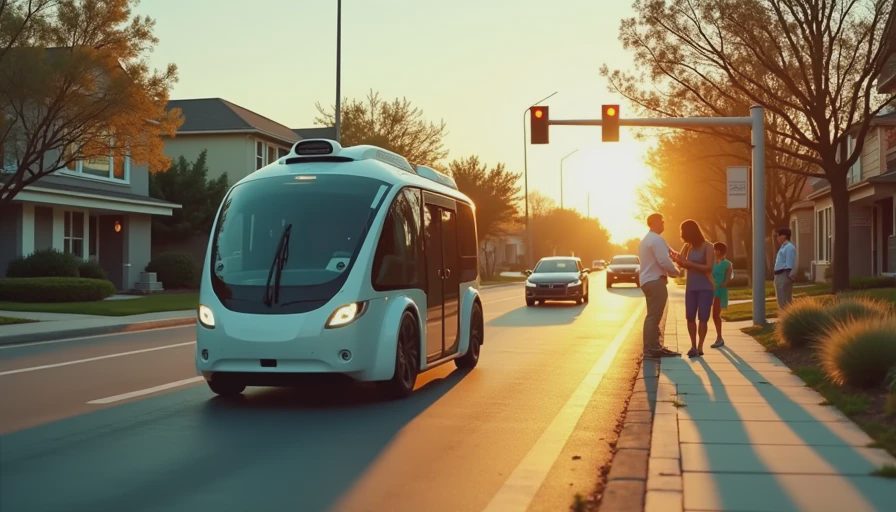
Ride feel is where the gap gets real
If you judge autonomy by whether the car feels calm in normal traffic, Waymo still has the cleaner public track record. The trips are usually conservative, but that conservatism is the whole point. The vehicle tends to be deliberate at unprotected turns, patient around double-parked cars, and careful near pedestrians who are doing the normal human thing of stepping off the curb before they should. That style is not exciting, but passengers usually prefer boring to heroic. The main criticism is that it can feel a little too cautious when traffic is pressing behind it. That is a planning problem, but it is a manageable one.
Zoox’s ride experience is easier to discuss as a design target than as a broad public benchmark, because the company has not spent years serving the general market the way Waymo has. Still, the concept is obvious: a cabin built for riders, seats arranged for a robotaxi, and a chassis that does not pretend to be something else. If that system delivers on its promise, the passenger experience could be cleaner than a retrofit sedan or SUV. But that is the kind of statement that belongs in a test harness, not a press release.
Business model matters more than the demo loop
The best robotaxi is not the one that looks coolest on a closed route. It is the one that can be cleaned, charged, maintained, dispatched, and insured without turning every trip into a custom project. Waymo has the advantage of operating like a service already, which means it is closer to the hard operating questions: fleet uptime, depot flow, remote assistance, and city-by-city expansion. Zoox is making a bigger bet on vertical integration. If the vehicle is designed around the job, fleet economics can improve later because you are not dragging around unused car architecture. The catch is that the path from elegant prototype to profitable fleet is long and full of boring failure modes.
That is why investors and engineers read zoox vs waymo differently. Investors care about how fast the system can scale without burning money on every unit. Engineers care about whether the stack is solving the right problem in the right layer. Waymo says, “We can make this work in public.” Zoox says, “We can make the vehicle itself less compromised.” Both are defensible. Only one is already collecting everyday operational data at scale.
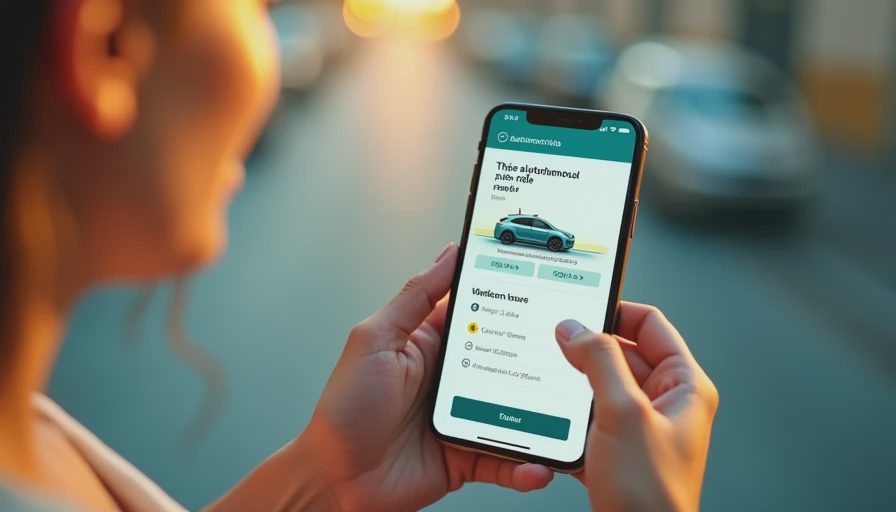
zoox vs waymo on a practical benchmark
If I were scoring zoox vs waymo on a blunt engineering benchmark, I would split the categories like this: current deployment, ride consistency, and operational evidence all go to Waymo. Hardware cleanliness, purpose-built packaging, and long-run architectural elegance lean toward Zoox. That does not mean Zoox loses the race. It means Zoox is still paying the startup tax of proving that a cleaner design can survive the real world. Waymo, meanwhile, is paying the service tax of keeping a live system stable while it expands. Those are different problems, and both are expensive.
So the practical answer is simple. If you want the robotaxi you can point to today and say, “That thing is already doing the job,” Waymo wins. If you want the platform that looks most like a native autonomy product instead of a retrofitted car, Zoox is the more interesting bet. In a few years, the scorecard could move. Right now, the data still favors the system that has already spent more time in the wild. Your car talks. I check his homework.