Ann Arbor, MI, 7:12 p.m. I put Tesla vs Waymo through the same insurance lens I use for autonomy logs, and the gap is not subtle. One is a consumer car you still own, insure, repair, and argue with your carrier over after a fender-bender. The other is a commercial driverless ride service where the operator owns the stack, the liability is packaged differently, and the rider is basically buying a trip, not a vehicle policy. If you are shopping coverage, the right question is not which brand sounds smarter. It is who is responsible when something clips a curb, loses a lane line, or needs a body shop afterward.
The core difference that matters before you buy coverage
The first thing I look at is not the marketing. It is the operating model. Tesla is a personally owned vehicle with driver-assist features that still expects a human to supervise. Waymo is a fleet service built around a driverless ride, constrained to specific cities and routes where the system is allowed to operate. That is the real Tesla vs Waymo split: supervised consumer autonomy versus geofenced fleet autonomy. Those are not just different feature sets. They change who is in the loop, who can intervene, and who gets the bill when the system does something dumb.
In a Tesla, the human driver remains the fallback layer. If the car brakes late, drifts toward a lane marking, or hesitates at a merge, the insurance conversation still starts with your policy and your driving record. In a Waymo ride, the passenger is not the operator, and the commercial system is built around a different liability stack. That does not make one magically safer in every case. It just means the post-incident paperwork lives in a different drawer.
A lot of people treat both names like they describe the same thing. They do not. One is a product you buy and keep in your garage. The other is a service you summon and leave behind when the trip ends. If you are trying to predict premium, deductible pain, or claim complexity, that distinction is the whole game.
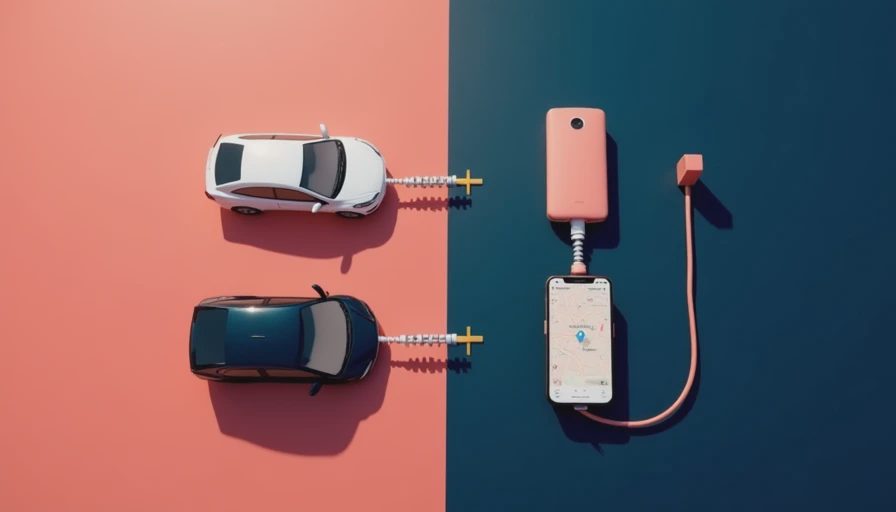
Liability and coverage are not the same problem
In Tesla vs Waymo, liability is the cleanest place to start. If you own a Tesla, you still need the usual personal auto coverage: liability for injuries and property damage, collision for crashes into another object, and comprehensive for things like theft, glass breakage, fire, hail, and animal strikes. If you financed or leased the car, your lender will usually care a lot about collision and comprehensive being in force. Nothing about driver-assist features removes that requirement.
Waymo rides work differently. You are not insuring the vehicle as a personal asset, because you do not own it. The operator carries the commercial coverage structure for the service, and the rider is not shopping a six-month personal policy for that car. That is why comparing these two as if they were both ordinary ownership products gets messy fast. The risk sits in different places.
This is also where a lot of drivers get tripped up with language like self-driving. A system can assist, guide, or even drive a car in limited conditions, but that does not automatically move the claim off your policy. If you are behind the wheel of a Tesla and the system is active, the insurer is still going to ask what happened, who was supervising, and whether the vehicle was being used as intended.
Repair costs, downtime, and why premiums move
For Tesla vs Waymo, repair math matters as much as the driving stack. Tesla repairs can get expensive fast because body work, glass, cameras, radar where equipped, calibration, and parts availability all stack on top of one another. A low-speed bumper hit that looks like a $500 problem can become a low four-figure shop bill once paint, sensors, and calibration enter the picture. A cracked windshield can be even uglier if the replacement requires camera recalibration and a second visit.
That matters to insurers. A carrier like GEICO, Progressive, State Farm, or USAA is not just looking at your commute and age. It is also modeling repair severity, rental time, and how often a claim turns into a shop stay. Tesla also sells its own insurance in some states, and some drivers find it competitive while others do not. The point is not brand loyalty. The point is that the same driver can see a quote swing by tens or even a couple hundred dollars a month depending on repair assumptions and ZIP code.
Waymo sits in a different bucket because the service operator absorbs the fleet risk, and the passenger is not managing collision or comprehensive on the vehicle. That does not mean the incident cost disappears. It means the commercial side of the business handles it in a way a personal policy never would.

What a real-world comparison looks like at street level
Here is the simple version I would write on a scorecard. A Tesla owner backs into a post in a grocery lot and cracks the rear bumper cover. Now the owner is on the hook for a deductible, a claim file, a repair shop slot, and maybe a week in a rental if the carrier allows it. If a camera or sensor needs calibration, the timeline gets longer and the invoice gets thicker. That is ordinary ownership risk, even when the car is loaded with advanced features.
Now picture a rider taking a Waymo trip in a city where the service is live. If the vehicle has a minor issue, the rider is not the one calling a body shop or arguing over parts. The operator manages the incident path. That is why Tesla vs Waymo is not just a tech debate; it is a claims-flow debate. One system sits inside your household insurance life. The other sits outside it.
That difference also changes what you should care about when you compare quotes. On a Tesla, I would pay attention to deductibles, rental reimbursement, glass coverage, OEM parts language, and whether the carrier has a reputation for slow repair approvals. On a Waymo ride, the consumer question is simpler: is the service available where you live, and do you trust the operator’s safety and incident handling enough to use it?
How to shop coverage without getting hypnotized by the badge
If you are pricing Tesla vs Waymo as a consumer decision, match the policy to the actual risk, not the marketing headline. For a Tesla, get quotes from at least three carriers and compare more than the monthly number. Look at collision deductible, comprehensive deductible, glass treatment, rental reimbursement, and how the insurer handles advanced-driver-assist repairs. Ask whether the shop network is approved for calibration work, because that is where a cheap quote can turn into a headache.
If you are evaluating whether the Tesla route makes sense, remember the ownership side is where your insurance bill lives. If you are comparing it with a ride service, remember that the service model changes everything about liability, ownership, and repair responsibility. There is no clever shortcut around that.
The clean takeaway is this: Tesla is something you insure and maintain as a personal vehicle. Waymo is something you use as a service. Once you separate those two, the insurance decision gets much easier. Your car talks. I check his homework.