If you are trying to understand lidar in cars in china xiaomi, skip the launch-event language and look at the job the sensor is actually doing. Xiaomi is part of a market where LiDAR has moved from demo hardware to real production trim choices, especially on higher-spec EVs. The useful question is not whether the roof pod looks futuristic. It is whether the system handles bad lane paint, night traffic, and odd cut-ins better than camera-only gear, and what that means when the car needs a repair or an insurance claim.
why xiaomi and other Chinese EV makers keep adding LiDAR
For lidar in cars in china xiaomi, the reason is simple: depth. A camera can guess distance from pixels, but LiDAR gives a cleaner 3D read on nearby objects, which matters when a scooter, a delivery cart, or a dark sedan moves into the lane with little warning. Xiaomi is not alone. NIO, Xpeng, Li Auto, and a growing list of Chinese EV makers have used LiDAR as a way to support urban driver-assist features and reduce dependence on perfect lane markings. It is not magic. It is a better input to the planner, and on a busy commute that can mean fewer weird hesitations at low speed.
where LiDAR helps and where it does not
Where the hardware helps most is in messy city driving. A sensor stack with cameras, radar, and LiDAR is usually better at spotting vehicles in flat light, reading object shape at close range, and keeping a stable distance in stop-and-go traffic. The failure mode is just as important. Heavy rain, snow, mud, or a dirty lens can shrink the advantage fast. If you want the engineering version, think of LiDAR as another measurement channel, not a replacement for camera semantics. Severity 2/5 when it works well, 4/5 when the sensor is occluded and the system has to fall back. In practice, the cleaner stack usually wins in dense traffic only if the software is trained to respect uncertainty and slow down instead of pretending it knows more than it does.
what the behavior tells you on the road
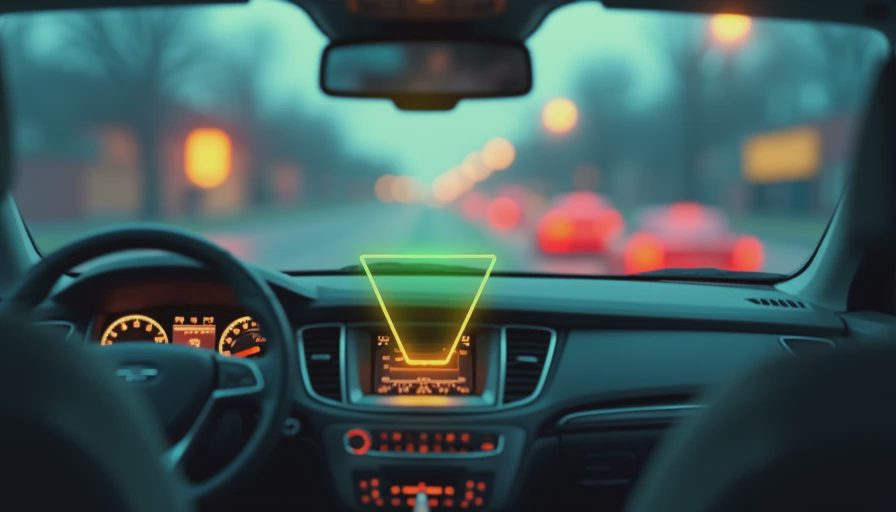
The behavior question is the one most buyers miss. When people talk about lidar in cars in china xiaomi, they often assume the car will simply drive better everywhere. What usually happens instead is narrower and more useful: fewer weird slowdowns around parked cars, less wobble when traffic compresses, and a planner that has a more confident view of the near field. That does not mean hands-off driving, and it does not erase lane discipline problems or bad mapping. It means the stack has one more way to avoid hallucinating empty space where a real object sits. In a clean urban benchmark, that can look boring. On a real street with trash bags, glare, and abrupt lane changes, boring is usually the win.
the repair and calibration bill matters
The repair and calibration bill matters more than the brochure copy. A LiDAR module itself is not the whole cost. Mounting brackets, windshield glass, bumper work, and camera or radar calibration can add hundreds to low four figures on a modern EV repair, especially if a body shop has to realign the sensor after a collision or glass replacement. A cheap body repair can become expensive when the shop has to source a bracket or run a lane-keeping reset after the fact. This is where lidar in cars in china xiaomi becomes a practical ownership issue. If you are quoting coverage, ask whether the shop uses OEM calibration procedures, whether the insurer accepts them, and whether the parts network is local enough to keep downtime short. That is the part that affects a claim, not the marketing slide.

what Xiaomi says about the market
Xiaomi’s arrival also shows how quickly the Chinese market has normalized this stack. The company is not selling a science project; it is selling a mass-market EV with advanced driver assistance in a field that already includes brands like Xpeng, NIO, Li Auto, and BYD. The competitive edge is not just who has more sensors. It is who can turn the sensor data into smoother lane changes, cleaner merges, and fewer false alarms during a normal commute. That is the benchmark that matters. A flashy spec sheet does not help if the system nags the driver every two minutes, or if the car behaves well on a demo loop and gets indecisive the first time traffic gets ugly. For engineers, the interesting part is the gap between advertised capability and repeatable performance.
what to ask before you buy or insure one
If lidar in cars in china xiaomi is now part of the trim walk, the smart buyer asks three plain questions. What does the sensor actually improve, what does it cost to repair, and how good is the local service network when something needs calibration? That is true whether you are shopping in China, comparing imported tech, or just trying to understand where ADAS hardware is headed. A driver who plans to keep the car through a few windshield replacements cares about service logistics as much as curb appeal. A driver who spends time in dense city traffic cares about how the stack behaves when the road markings disappear. Your car talks. I check his homework. If you want the short version, buy the feature only when the behavior and the repair path both make sense.