Ann Arbor, 7:10 a.m. The windshield was still cold when I ran adas testing on a midsize crossover after a glass replacement. The lane centering looked fine on the road loop, but the camera still needed a fresh calibration before I trusted the output. That is the part most drivers miss: the badge on the grille does not tell you whether the safety stack is working, and the repair invoice rarely makes it obvious. If you buy, insure, or repair a car with driver-assistance features, you want evidence, not marketing.
What the test actually measures
In my adas testing harness, I am looking for three things: whether the car detects the right object, whether it reacts in time, and whether it stays consistent on repeat runs. That matters for insurance shoppers because the same feature set can change repair cost, claim complexity, and rental time. A system with a front camera, radar, and ultrasonic sensors is not just a tech package; it is a bundle of parts that can be knocked out by a bumper hit or a windshield swap. I score the result like a bug tracker because that is what it is. If the car braked late once but behaved on three other passes, the issue is still real, but it belongs in a different severity bucket than a full failure.
A good example is Subaru EyeSight or Honda Sensing. The camera suite is compact, but a small crack in the windshield can turn into a calibration job that adds a few hundred dollars to the repair. A front radar unit hidden behind the bumper cover can push the bill higher. On a simple fender-bender, the metal work may be the cheap part. The expensive part is the sensor work, the scan tool, and the road test that proves the car is reading the world correctly.
Why repairs change the score
This is where adas testing gets expensive. I have seen a car look perfectly normal in a parking lot, then drift a half lane on a marked road because the windshield camera was a few millimeters off. That is not dramatic enough for a warning light every time, but it is enough to make the car less trustworthy. After a windshield replacement, a camera calibration can run roughly $150 to $400. A front radar calibration or a more involved multi-sensor setup can land closer to $250 to $600. If the bumper cover, grille, and paint all have to come off first, the total climbs fast.
The repair stack matters to insurance because the policy pays for the whole chain, not just the obvious dent. Collision and comprehensive deductibles still apply, but the claim often includes parts, labor, calibration, and a scan. That is why two cars with the same monthly premium can produce very different out-of-pocket costs after a minor hit. One gets a quick body repair. The other needs a dealer-level calibration and a second visit because the first shop cleared the code without confirming the road behavior.
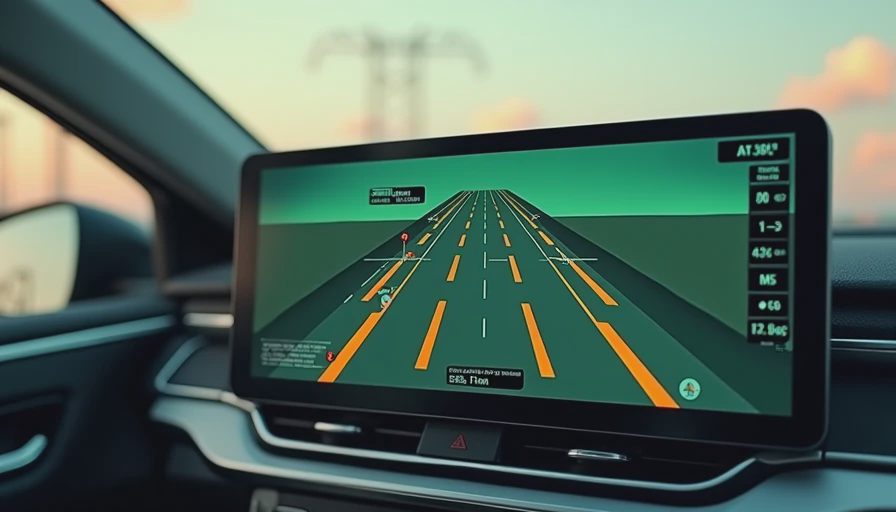
How to use the result when you talk to an insurer
I use adas testing results the same way I use any good log file: to turn a vague complaint into a specific conversation. If you are filing a claim, ask for an itemized estimate that separates glass, calibration, diagnostics, and alignment. If the estimate just says "electrical repair" or "miscellaneous labor," push for detail. A clear paper trail helps if the adjuster questions whether the sensor work is necessary.
This is also where brand positioning starts to matter. GEICO, Progressive, and State Farm all sell through different channels and quote structures, but none of that changes the physics of the repair. What changes the bill is whether the shop can document pre-scan and post-scan results, whether the calibration spec matches the OEM procedure, and whether the road test actually reproduces the issue. If a shop tells you the system is "fine" but gives you no printout, that is not proof. It is a shrug with a lift bay.
A simple garage check that catches bad calibration
You do not need a full test rig to catch a bad repair. I start with a straight road, clean lane markings, and a steady 35 to 45 mph cruise. First I check whether lane centering hunts from side to side or holds a line without sawtooth corrections. Then I see whether adaptive cruise follows the car ahead smoothly instead of stabbing the brakes. Finally I watch for dash warnings, hidden faults, or a steering wheel that feels off-center after the shop claims the alignment is complete. If one of those fails twice in a row, I write it down. Repeatability beats a single lucky pass.
A driver can also do a simple visual pass before leaving the shop. Look for a windshield camera sitting square in its bracket, a radar emblem that is flush with the bumper, and a service invoice that names the calibration method. If the car needs a static calibration target, the paperwork should say so. If it needs a dynamic calibration drive, the shop should say what route or conditions it used. That sounds fussy until you pay for a second calibration because the first one was done with the wrong procedure.
When to push back on the shop
The cleanest way to avoid trouble is to ask for documentation before the car leaves the lot. I want the pre-scan report, the post-scan report, and the calibration sheet in the same folder. If the shop says it does not keep those records, that is a red flag. A severity 4 problem is not the bumper scratch; it is the repair that hides a sensor issue until the next rainstorm or night drive.
I have also seen a case where the insurance company approved the visible damage but missed the wheel alignment that followed. The vehicle tracked straight enough in town and drifted on the highway. The fix was not glamorous: a second alignment, a recalibration, and a longer rental. But that is the point. Good adas testing makes the gap visible before the car goes back into daily use. When the numbers look wrong, adas testing tells you whether the problem is the car, the repair, or the quote. Your car talks. I check his homework.