Ann Arbor, Michigan. 7:12 a.m. The car kept itself centered, matched traffic speed, and then asked me to take back over at the exact moment the lane split got weird. That is what is level 2 autonomous driving in practice: the vehicle can steer and accelerate or brake at the same time, but a human driver still owns the trip. If you treat it like a robot chauffeur, severity goes to 5/5 very fast. If you treat it like an advanced helper, the system makes sense.
What is level 2 autonomous driving, exactly?
Under the SAE scale, Level 2 means the vehicle can control steering and speed together in a defined driving task, while the driver continuously supervises the road. The driver is not a passenger. The driver is the fallback, the decision-maker, and the one who gets the ticket, the crash report, and the repair bill if the system misses something obvious. That is why Tesla Autopilot, Tesla Full Self-Driving (Supervised), GM Super Cruise, Ford BlueCruise, and many Honda Sensing setups all sit in the same category even though their marketing sounds different. Some are hands-free on mapped roads, some require hands on the wheel, but none of them hand over responsibility. In my test notes, the systems that feel smoothest are the ones that are boring in traffic and predictable at merge points. Boring is good. Boring is usually what you want in a driver-assist stack.
The part drivers miss on the first test drive
The easy demo is a clean freeway with good lane lines and daylight. The hard part is everything that does not look like a brochure: faded paint, temporary cones, exit ramps that split late, glare off wet pavement, or a truck cutting across two lanes because the GPS told it to. Good systems use driver-monitoring cameras, hands-on alerts, or torque checks to make sure the human is still there. Weak systems feel calm right up until the first messy edge case. That is where my scorecard starts to matter. I care less about a polished autonomy claim and more about the awkward five seconds when the lane disappears, the sensor confidence drops, and the car has to decide whether to hold, slow, or give up. If the handoff is messy, the whole feature is less useful.
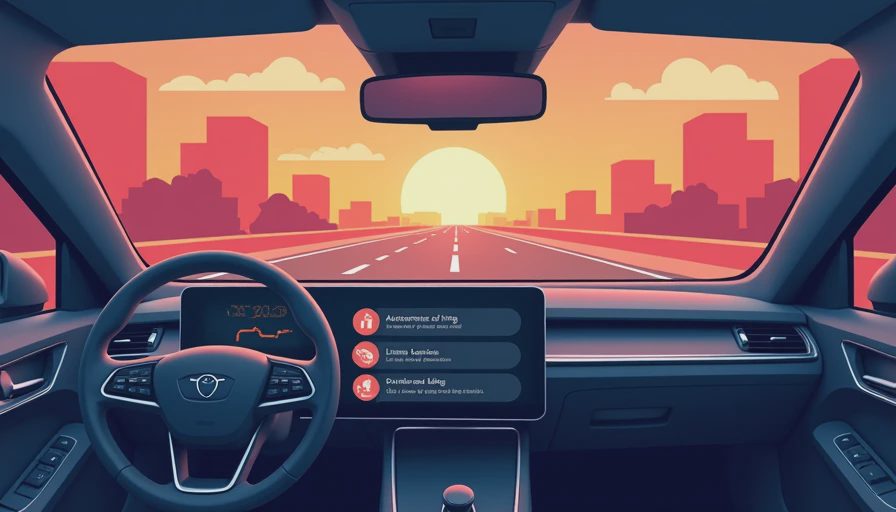
The line between assistance and automation
Level 2 sits below true self-driving. Level 3 is the next rung, where the car can handle some driving tasks and ask for a takeover with enough lead time in a defined envelope. In the U.S., Mercedes-Benz Drive Pilot is the name people often cite, and it is limited to specific conditions and vehicles. That distinction matters because Level 2 still requires active supervision every second. If the car makes a mistake, the driver is not just expected to respond; the driver was always responsible in the first place. That is why the same freeway commute can feel relaxed one day and annoying the next. The system is only as good as the weather, the map, the lane markings, and the traffic around it. When those line up, it feels polished. When they do not, the seams show.
Repair costs are the hidden bill
The other thing owners learn after the honeymoon is that driver-assist hardware is not cheap to fix. A front bumper on a modern car can hide radar, ultrasonic sensors, camera brackets, and calibration points. A cracked windshield can turn into a camera recalibration. A minor hit to a quarter panel can set off alignment work that used to be reserved for bigger damage. In the real world, that can mean a few hundred dollars for calibration on the low end and well over $1,000 once glass, parts, and labor stack up. Even when the car still drives fine, the repair order can get long fast. That matters because the more sensors a vehicle carries, the more likely a small claim becomes a bigger one. I have seen a simple bumper repair turn into a three-line estimate before the body shop even touched the car.
Why what is level 2 autonomous driving matters for insurance
When people ask what is level 2 autonomous driving, the insurance answer is simple: it changes the cost of fixing the car, not the basic rule that a person is driving. Liability coverage still matters for injuries and damage you cause. Collision coverage matters when you hit something, even if the system was engaged. Comprehensive coverage handles things like hail, theft, and glass damage. On a lease or loan, those coverages are often the difference between a manageable claim and a painful out-of-pocket bill. Rental reimbursement is worth a look too, because parts delays on sensor-heavy cars can stretch a normal repair into a multi-week stay at the shop. If you shop quotes, ask whether the policy and the shop network are comfortable with ADAS calibration and OEM-grade replacement parts. That one question can save a lot of back-and-forth after a claim, especially on newer trims with radar in the bumper and cameras behind the windshield.
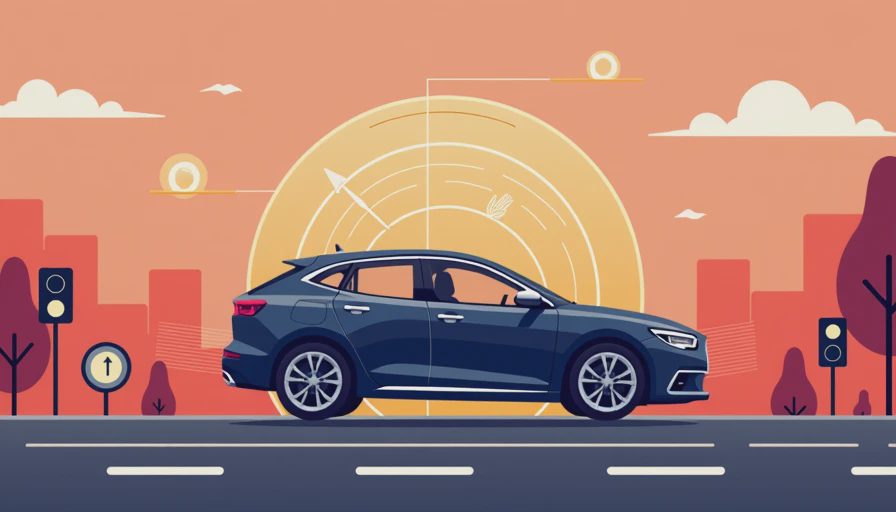
How to judge the feature before you pay for it
If you are comparing trims, do not pay extra just because the window sticker sounds futuristic. Sit in the car and ask what happens when the lane markings fade, when traffic gets dense, and when the map ends. Check whether the system is hands-free or hands-on, whether it nags through the steering wheel or a camera, and whether it shuts down gracefully when conditions get ugly. Read the release notes, not the marketing page. Look for the stuff engineers actually care about: disengagement behavior, coverage limits, and how often the feature asks for intervention. A system that is honest about its limits is usually easier to live with than one that acts confident and guesses. It is also easier to insure and easier to explain after a claim. That is the practical answer to what is level 2 autonomous driving: useful assistance, bounded automation, and a human who still has to pay attention. Your car talks. I check his homework.