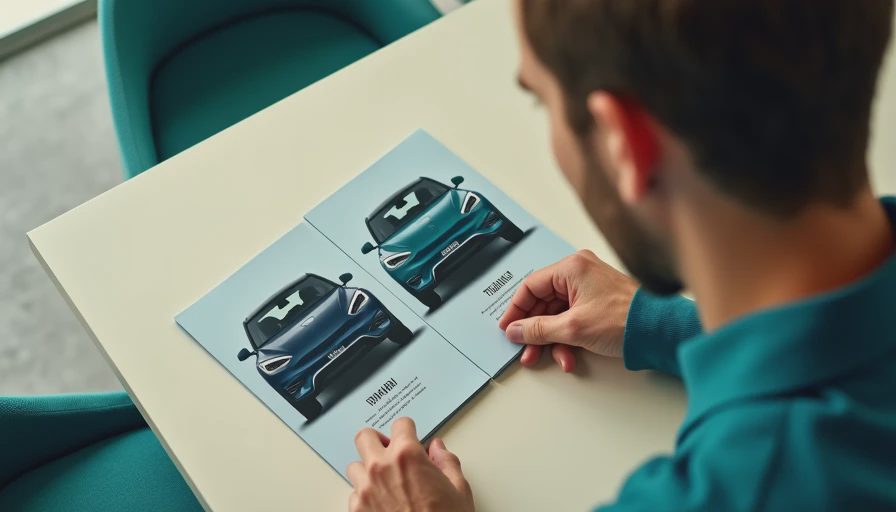
At 7:10 a.m. in Ann Arbor, Michigan, the useful question in model y vs model 3 is not which Tesla wins a drag race. It is which vehicle fits your daily workload, parking situation, passengers, and tolerance for compromises. Tesla sells both as efficient electric cars, but they solve different problems. The Model 3 is a low sedan built around efficiency and road manners. The Model Y is a taller crossover built around access, cargo, and flexibility.
I approach this comparison like a benchmark, not a spec-sheet parade. Here is what happened: the Model 3 generally uses less energy and feels sharper through corners. The Model Y provides more usable room and an easier seating position. Here is what each should have done: match the buyer's actual use case. Here is the gap: many shoppers compare headline range and ignore the daily friction of loading a stroller, climbing into the rear seat, or paying for comprehensive insurance on a more expensive vehicle.
Model Y vs Model 3: The Hardware Difference That Matters
The Model 3's sedan body sits lower, with a smaller frontal area and a driving position closer to the pavement. That usually helps aerodynamic efficiency. On comparable versions, the Model 3 often posts stronger EPA range than the Model Y, although exact figures change with battery, wheels, drivetrain, software, and model year. Wheel choice is not cosmetic bookkeeping; larger wheels can reduce range and increase tire replacement cost.
The Model Y is taller and heavier, but its hatchback opening is the practical advantage. A box, folded stroller, bicycle wheel, or weekend luggage is easier to place through a hatch than through the Model 3's trunk aperture. Rear passengers also get a more upright seating position. Adults will still notice the Model Y's sloping roofline, but entry and exit are simpler for children and anyone who dislikes dropping into a low car.
This is the first major result in model y vs model 3: the sedan wins the efficiency-per-mile argument, while the crossover wins the loading-and-access argument. Neither result requires a marketing adjective.
Range, Charging, and Energy Use
For commuting, both vehicles can cover normal daily driving without visiting a public charger every night. Home charging is the important variable. A 240-volt Level 2 installation can replenish a substantial overnight drive, while a standard household outlet is much slower and better treated as backup charging. Tesla's Supercharger network remains a major ownership advantage, but charging time still depends on battery temperature, state of charge, charger availability, and the vehicle's maximum rate.
In a model y vs model 3 comparison, range should be treated as a distribution rather than a promise. Cold Michigan mornings, highway speed, headwinds, snow tires, and cabin heat all consume energy. The Model 3's lower shape gives it an advantage in many highway scenarios. The Model Y's extra mass and height can make the same trip more expensive in electricity, though the difference may matter less than your local electricity rate and annual mileage.
If you drive 12,000 miles annually, a modest efficiency difference can translate into a noticeable but not dramatic charging bill gap. The larger financial swing often comes from purchase price, financing rate, tires, and insurance. Get an insurance quote using the exact VIN or trim before treating a range advantage as a savings plan.
Ride, Handling, and Driver Assistance
The Model 3 is the easier choice for drivers who care about steering response and body control. Its lower center of gravity makes quick direction changes feel more settled. It is not a Miata, and I would not confuse a heavy electric sedan with a lightweight track car, but the basic physics are favorable. The Model Y has competent handling, yet its taller body makes weight transfer more apparent when you brake or turn aggressively.
Ride quality depends heavily on trim and wheel size. A smaller wheel with a taller tire generally offers more sidewall protection over potholes. That matters in cities where one impact can turn a routine commute into a tire and wheel repair bill. Before buying either vehicle, inspect the route you actually drive rather than relying on a smooth dealership loop.
The driver-assistance stack deserves separate skepticism. Autopilot, traffic-aware cruise control, and other Tesla features do not make the car autonomous. A driver remains responsible for monitoring the road. In my test-harness language, the system can reduce workload in some conditions while still producing severe edge-case errors. A lane line hidden by construction, an unexpected merge, or a poorly understood road user is not a solved problem because the screen displays a visualization.
Interior Space, Cargo, and Everyday Friction
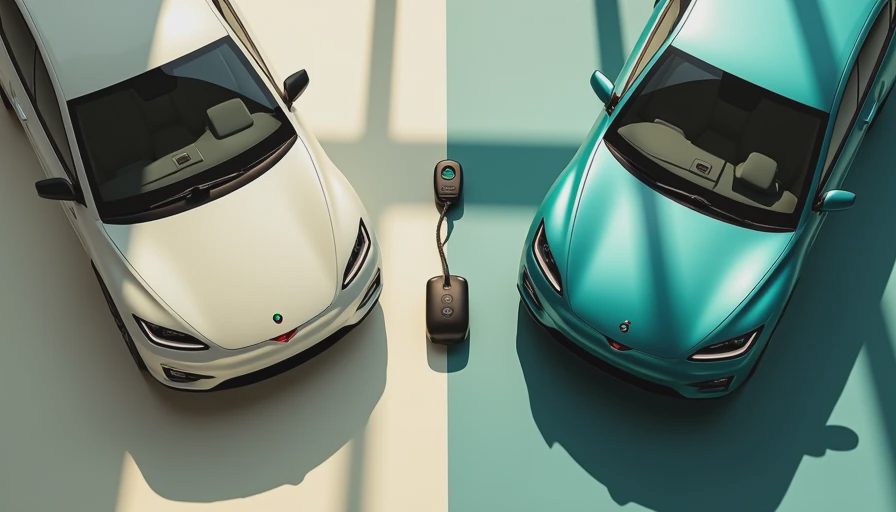
The Model Y is usually the stronger family tool. The rear hatch gives access to a taller cargo area, and the fold-flat rear seats create a more flexible load floor. That does not mean every measurement favors the crossover. A sedan trunk can be quieter and more secure for small cargo, and the Model 3's lower seating position may feel more natural for a driver who prefers a car-like posture.
Think in objects, not brochure volume. Put your child's car seat, two carry-on bags, a grocery run, and a folded stroller on a checklist. If those items fit only after rearranging them like a puzzle, the Model 3 will create repeated friction. If most trips carry one driver and a laptop, the Model Y's extra volume may sit unused while its higher purchase and operating costs remain real.
The model y vs model 3 decision also changes with weather. A taller hatch opening is useful when you are loading in snow or rain. A lower sedan may be easier to clear of snow from the roof and hood. Neither body style eliminates winter-tire, traction, or visibility considerations.
Price, Insurance, and Ownership Cost
Tesla pricing changes frequently, so compare the actual configuration rather than an old review. Destination charges, incentives, financing promotions, wheel packages, and available inventory can move the final number by thousands of dollars. A used Model 3 may offer a lower entry price, while a newer Model Y can justify its cost for a household that uses the cargo area every week.
Insurance deserves a line-by-line quote. Collision coverage pays for damage from a crash after the deductible, while comprehensive coverage generally addresses non-collision losses such as theft, glass damage, weather, or animal impact, subject to policy terms. Repair complexity, parts availability, trim value, driving history, location, and deductible all affect the premium. Ask insurers such as GEICO, Progressive, State Farm, and local carriers for comparable limits rather than comparing a stripped-down quote with a full policy.
For a clean comparison, request the same liability limits, collision deductible, comprehensive deductible, uninsured motorist selection, and rental reimbursement. A $1,000 deductible can lower premium but increases the cash required after a covered loss. That is not a flaw in either Tesla; it is a budget choice you should model before signing.
Which Tesla Fits the Benchmark?
Choose the Model 3 when efficiency, lower seating, highway range, and sedan handling rank highest. It is the more rational tool for a solo commuter or couple that rarely carries bulky cargo. Choose the Model Y when rear-seat access, hatchback utility, visibility, and flexible storage matter every week. It is the better fit for many families, but not automatically the better car for every driver.
My model y vs model 3 conclusion is deliberately unglamorous: buy the body style that removes the most repeated inconvenience. Take both on the same route, test the rear seat with your actual child seat, load your own luggage, and obtain insurance quotes before comparing monthly payments. Then record what failed. Your car talks. I check his homework.